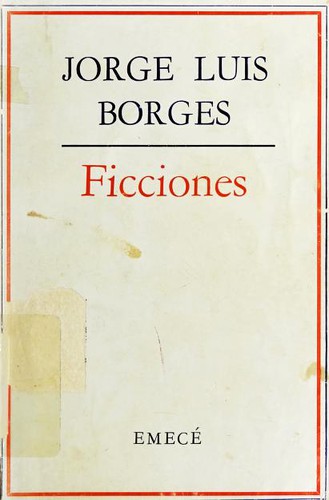
I made the mistake of trying to read this the way I read everything else, a few stories a night before bed, and it took maybe two weeks before I realized that approach was actively hurting the experience. Borges writes dense, and I mean structurally dense, Tlon Uqbar Orbis Tertius alone is basically a whole novel’s worth of conceptual weight compressed into twenty pages about a fictional encyclopedia that starts rewriting reality, and reading it half asleep just doesn’t work.
Once I slowed way down, one story a sitting, sometimes rereading immediately after finishing, the collection opened up in a way I wasn’t prepared for. The Library of Babel is the one everyone talks about, the infinite library containing every possible book including every possible variation of every book, and it deserves the reputation, but it was Pierre Menard, Author of the Quixote that actually got me, this deadpan literary-criticism essay about a man who rewrote Don Quixote word for word and somehow produced a different, richer text purely by virtue of the historical distance between his version and Cervantes’s. It’s a joke and a genuine argument about how meaning depends on context, both at once, and I still don’t fully know how Borges pulled that off in so few pages.
The Garden of Forking Paths is the most purely enjoyable read in the collection if you want something closer to a spy thriller with a labyrinth metaphor bolted directly into its plot mechanics rather than just its themes, and it’s the story I’d actually hand someone as an entry point rather than starting with Tlon like most editions do.
Translation matters a lot here and I’d recommend checking which one you’re getting before buying, some of the philosophical precision gets softened in less careful versions. Four stars, not five purely because a few of the shorter pieces read as sketches for ideas he explored better elsewhere in the same book.